Hello,
My dear beloved students of developing India, greetings of the day!
Do you know that you can build satellites and explore the space? Yes, we made it possible for you.
Why do I learn to build a satellite?
Before we connect you all to this “BuildSat” platform, you might have a question that, why do I learn to build a satellite?
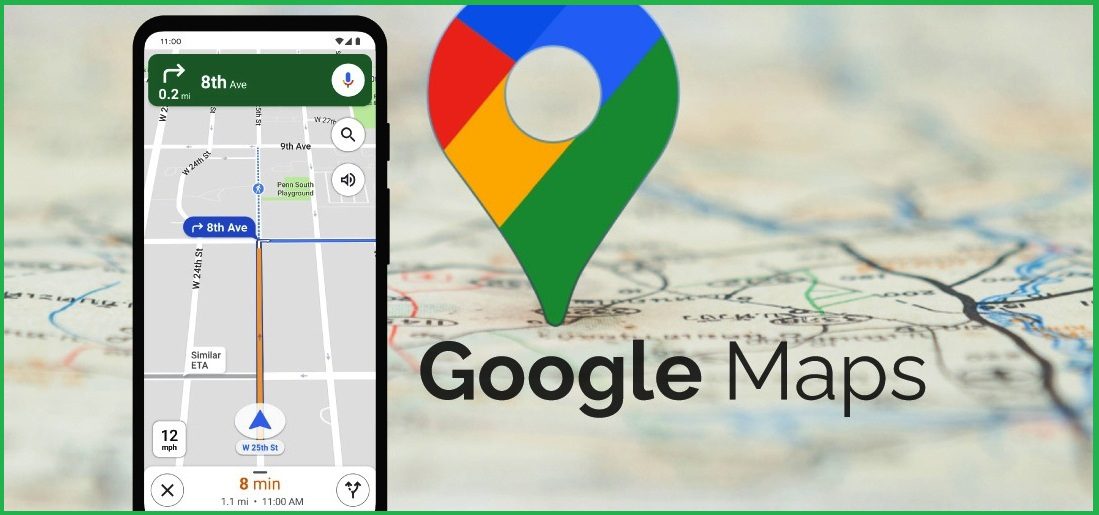
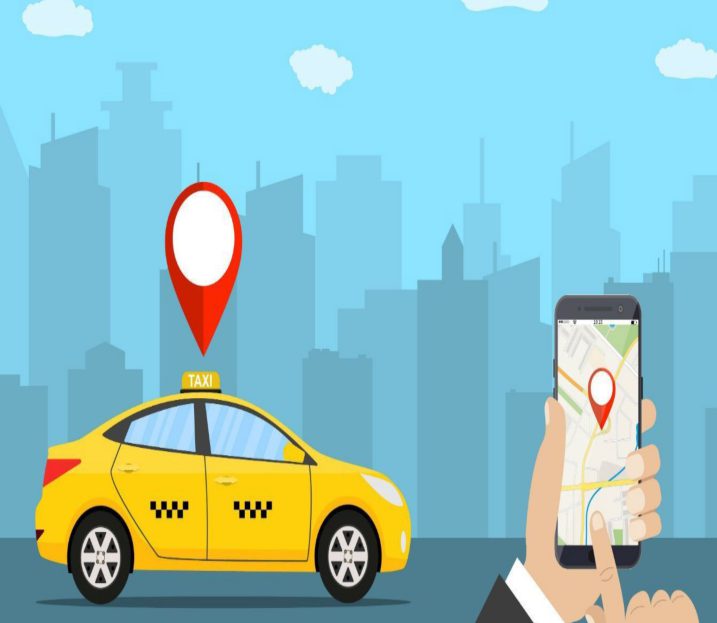
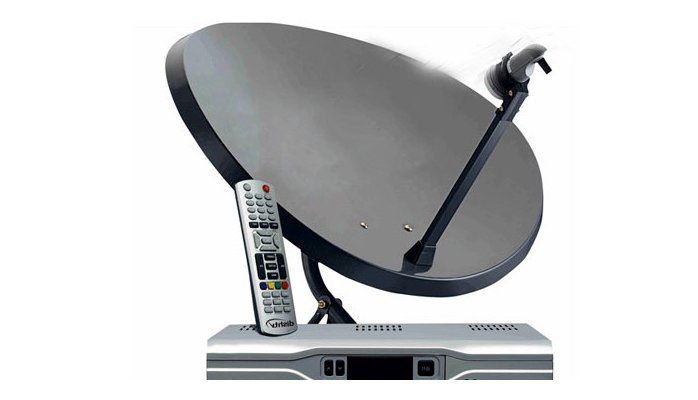
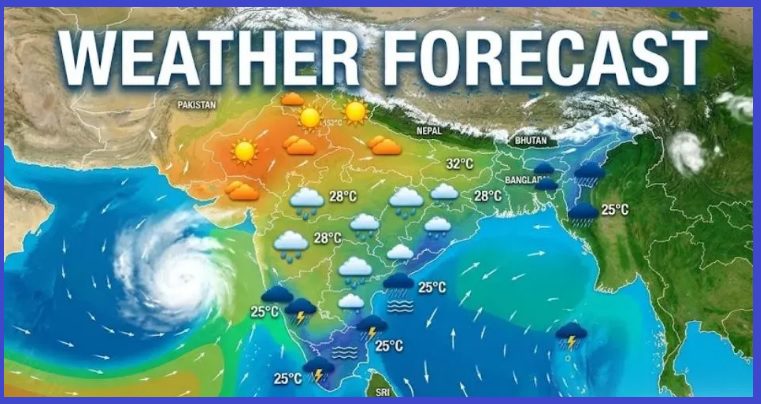
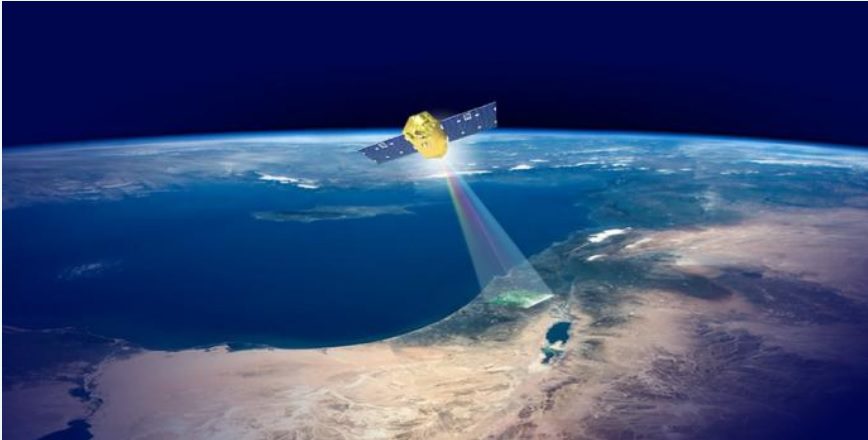
Do you know the different ways satellites can help us in day to day life? Here are a few; I am just giving a hint. There are still many more, and we will discuss them later.


My journey with satellites
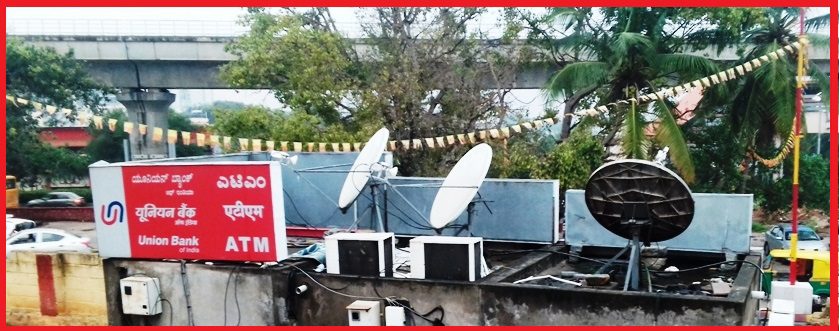
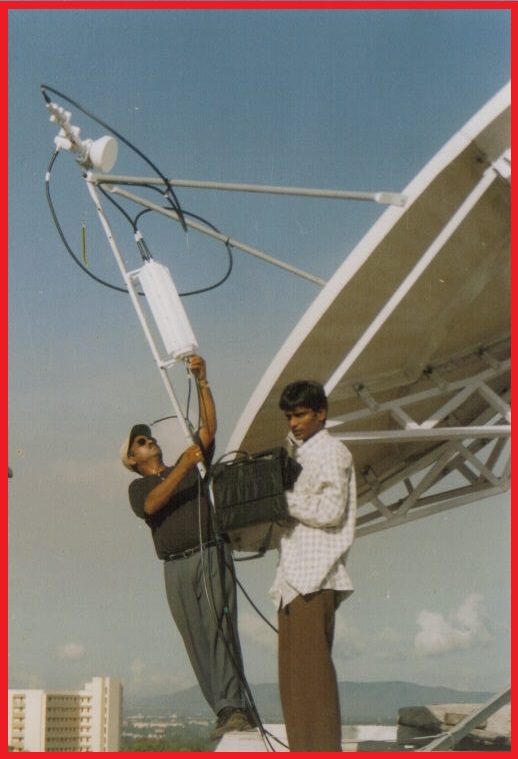
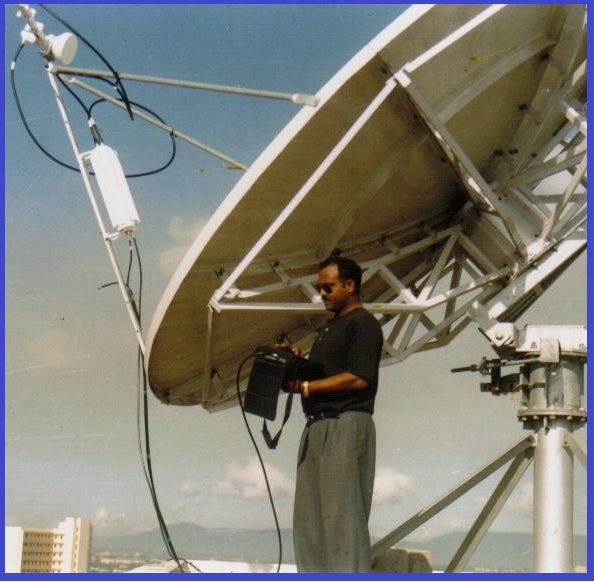
I am glad to write about my own interest to work with satellites right from the late 80s, when I was fascinated to work with satellite receiving dish antennas (L-Band & C-Band) to receive television programming from other countries through satellites. Later I did my engineering project also on satellite communications (Ku-Band) to receive worldwide television programs.
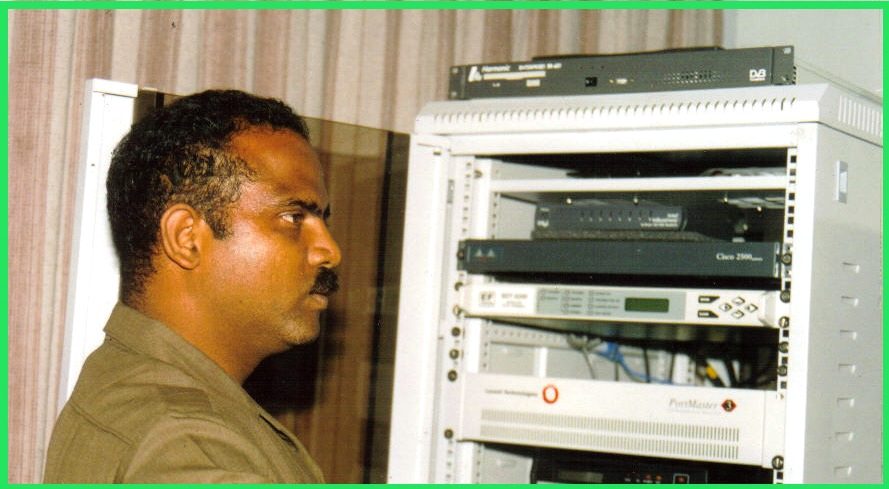
The acquired knowledge and hands-on experience working with designing satellite antennas, Low Noise Blocks (LNB), satellite signal receivers, radio frequency modulators, RF amplifiers etc. made me more responsible to route internet via satellites in the year 2000 for my nation, by setting up eight international gateways, in which I greatly enjoyed the uplink and downlink of data at high data rates.
What is BuildSat?
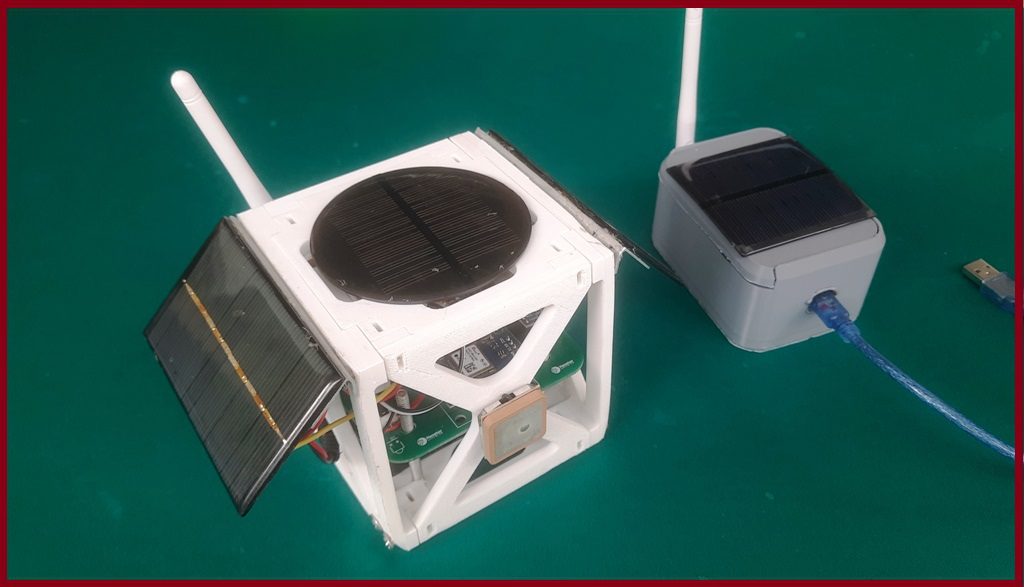
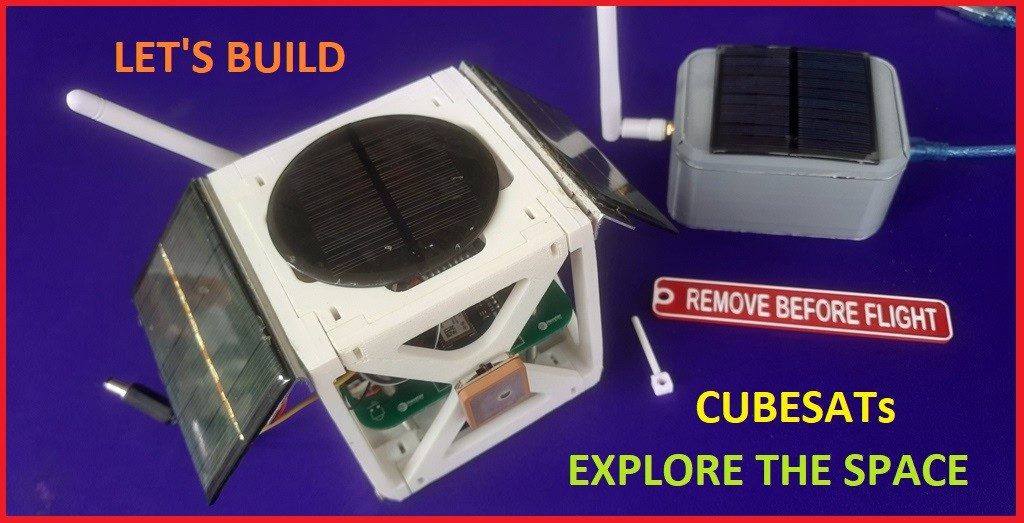
With all this background experience I felt, let me organise workshops to train students to build satellites from school level. So “BUILDSAT” is a place where you can learn to make CubeSats, in association with SpaceTech Explorers USA.
Andhra Pradesh SpaceTech Summit 2026
Recently we participated in the Andhra Pradesh Space Summit 2026. We demonstrated the CubeSat and explained its designed functions to the few thousand students who visited us.
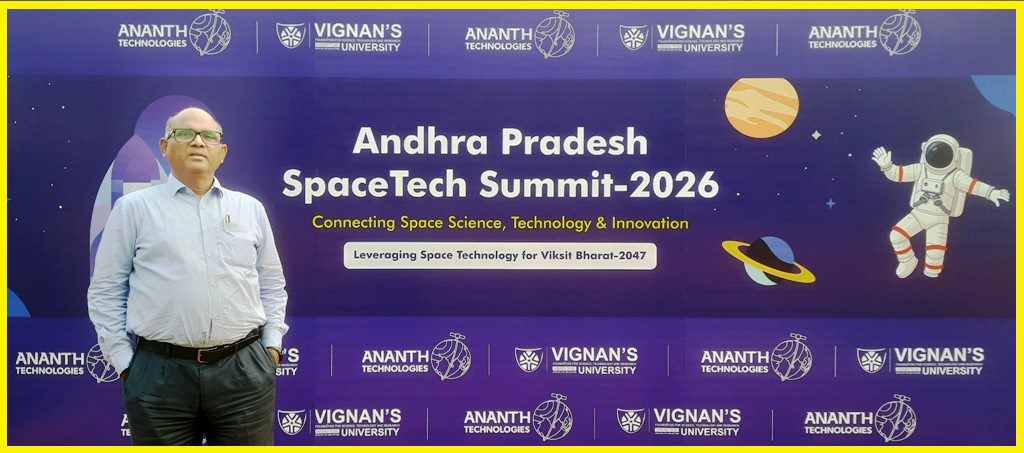
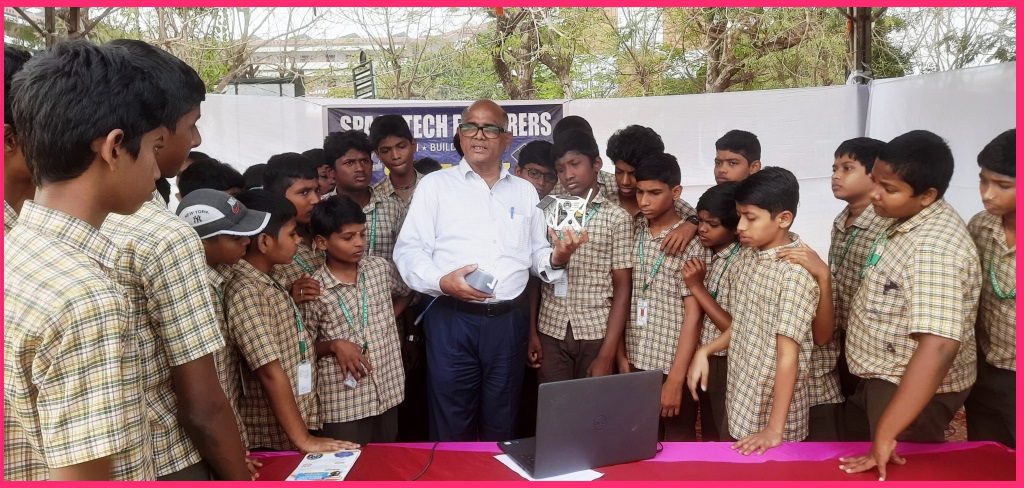
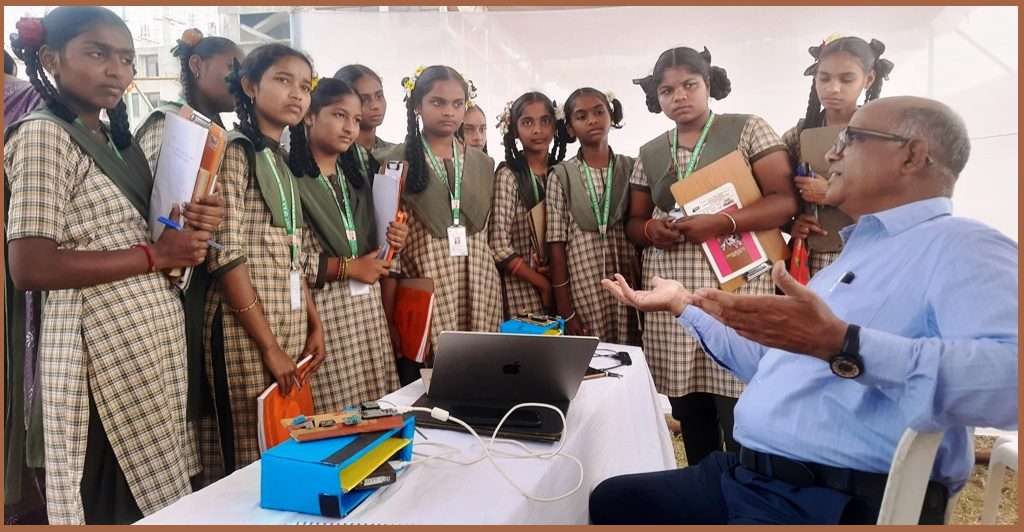
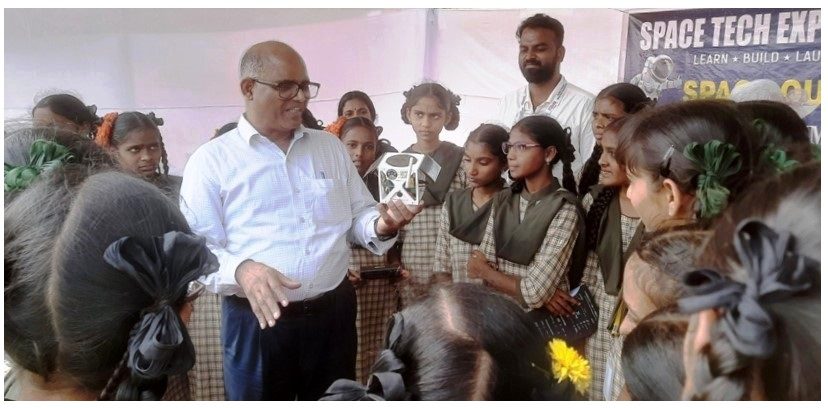
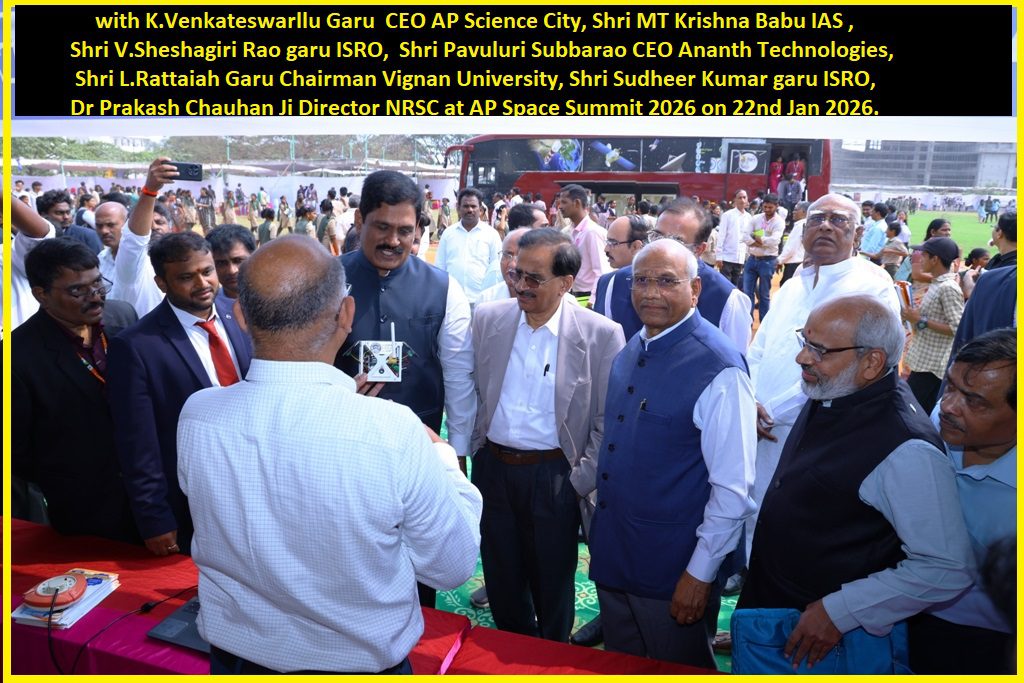
Our stall drew strong interest from academics, industry leaders, ISRO officials and young aspiring engineers, reflecting the real-world impact of our mission to spark curiosity in space and STEM.
How do we start making CubeSats?
- Capture the data. From the first model, we learn to capture parameters like temperature, humidity, pressure, velocity, acceleration, orientation, altitude, longitude and latitude using various sensors.
- Integrate it. We integrate all this data using microcontrollers.
- Transmit it. All these parameters are transmitted to the ground station using a radio communication system.
- Analyse it. The data received at the ground station can be hooked to any PC or laptop for real-time analysis, through a special app developed for this task.
This is how one can start their journey working with satellites, to explore space step by step.
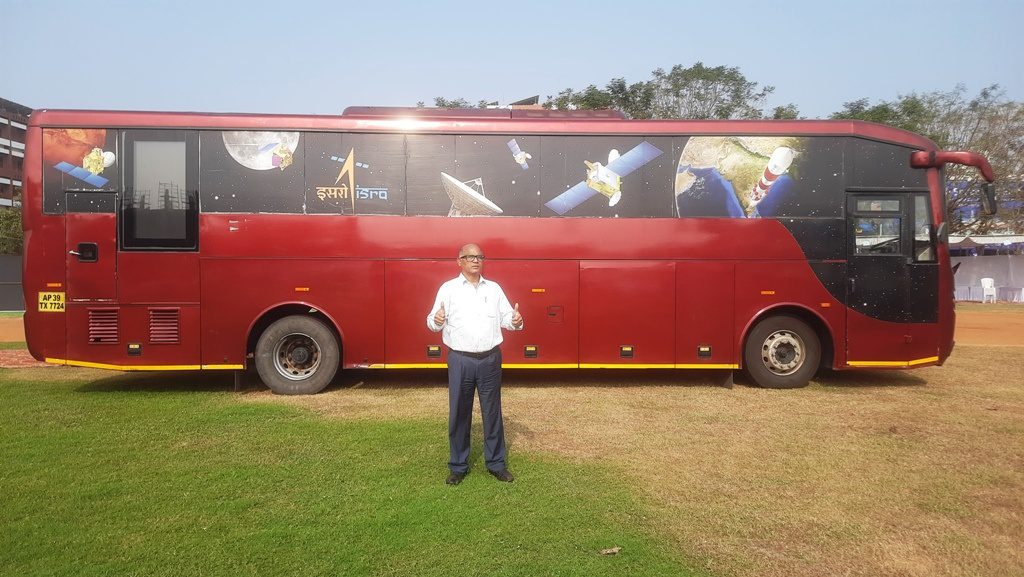
Schools may contact me to set up “BuildSat” workshops
Srinivas S.G · 96180 61947